


The Power of Alternative Asset Diversification
Smart investors know that concentrating wealth in a single asset class exposes them to unnecessary risk. When stocks plummet, oil prices may rise. When one real estate sector softens, another may strengthen. This reality makes diversification across alternative assets essential for building and preserving wealth.
The combination of oil and gas investing with commercial real estate development creates a uniquely balanced approach. Each asset class delivers distinct benefits at different times, protecting your capital while maximizing growth opportunities. Oil and gas provides immediate tax advantages and monthly income, while self-storage and small bay industrial development offers stable, long-term equity growth. Together, they form a comprehensive strategy that addresses multiple investment objectives simultaneously.
Understanding Modern Oil and Gas Investment
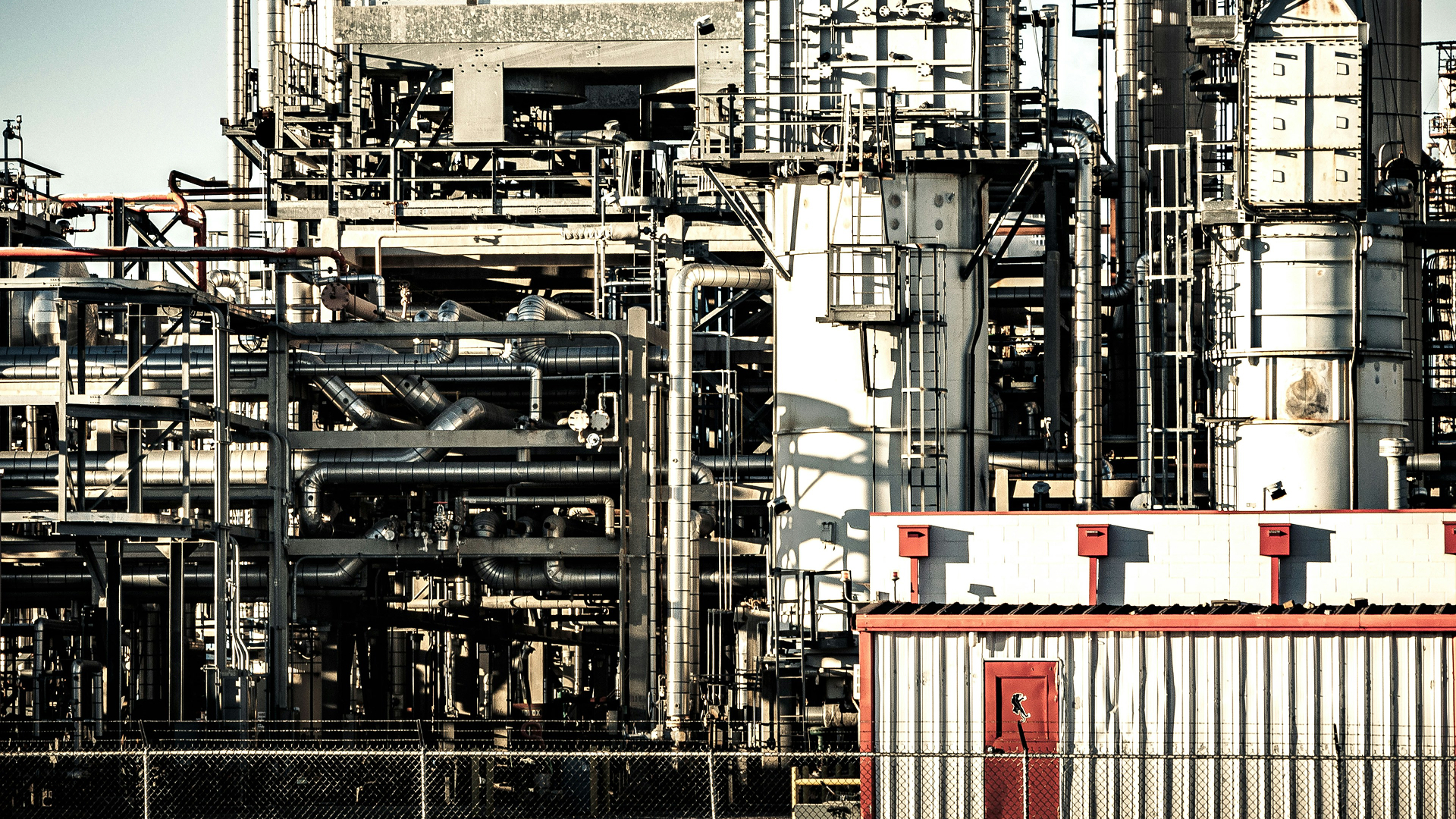
Today's oil and gas opportunities look nothing like the risky wildcatting ventures of past decades. Advanced technology, including horizontal fracking and 3D seismic imaging, has fundamentally transformed the industry. Modern operators can essentially steer drill bits with precision, targeting proven hydrocarbon layers in established basins like the Permian, dramatically reducing risk while maintaining strong return potential.
The most sophisticated oil and gas sponsors now structure deals similar to real estate development. They acquire mineral leases, develop producing wells, and divest assets to institutional buyers, creating both current income and capital growth. This acquire-develop-divest model generates monthly cash distributions while building toward a significant exit event, typically targeting 2.8x multiples over three to five years alongside 9-14% annualized returns.
Tax Benefits That Change Everything
The fundamental difference between oil and gas and real estate comes down to tax treatment. While real estate bonus depreciation creates passive losses that only offset passive income, oil and gas intangible drilling costs provide active losses. These deductions work against W2 income, capital gains, and any other earned income, delivering an immediate 30% return through tax savings alone.
For high-income earners, this creates powerful wealth acceleration. A $500,000 investment typically generates $375,000 to $425,000 in first-year tax deductions, putting $145,000 back in your pocket before considering any investment returns. This front-loaded tax benefit, combined with monthly distributions starting within 60 days and eventual capital growth, creates a return profile that complements longer-term real estate development perfectly.
Building Your Diversified Portfolio Strategy
The optimal allocation between oil and gas and commercial real estate depends on your age, income level, and financial objectives. Younger investors in wealth creation mode can allocate more aggressively, while those focused on wealth preservation may prefer more conservative splits. A balanced approach might allocate 40-60% of investable assets to alternatives, splitting between immediate income opportunities like oil and gas and growth-focused real estate development.
Consider a strategic allocation: half your capital generates immediate tax savings and monthly income through oil and gas, providing liquidity and near-term returns. The other half builds long-term equity through self-storage or small bay industrial development, assets you cannot touch impulsively, forcing disciplined wealth accumulation. This combination delivers tax efficiency today, income throughout the hold period, and significant capital growth at exit, creating a complete investment solution that works across market cycles.

Find more expertise.



Stay updated with our newsletter.
Subscribe now for the latest news, tips, and exclusive content delivered straight to your inbox.
